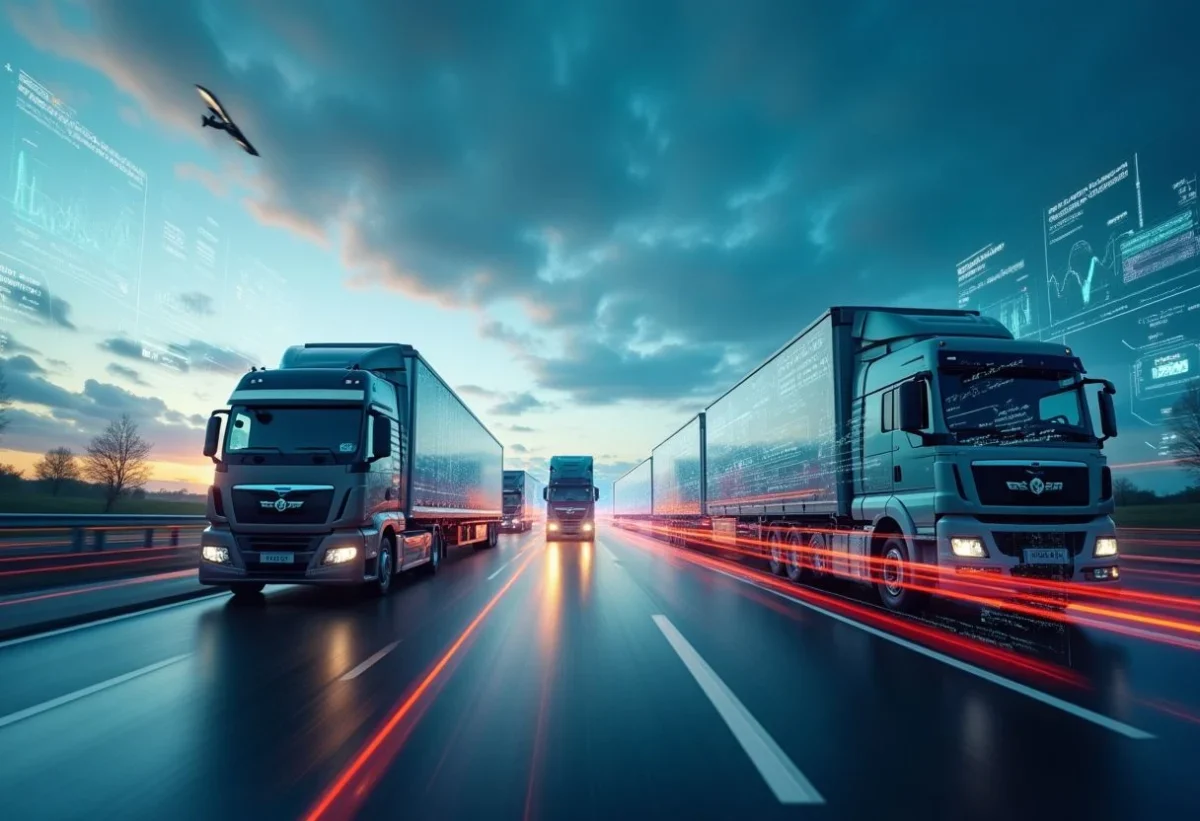
Technological evolution has disrupted many sectors, and the transportation field is no exception. Vehicle geolocation is a phenomenon that transforms the way companies manage their fleets and improve their operational efficiency. This technological innovation, based on Global Positioning Systems (GPS), allows for real-time tracking of vehicle locations, optimizing routes, and ensuring driver safety. Companies can thus reduce their costs, enhance their customer service, and minimize their environmental impact.
The foundations of vehicle geolocation
Understanding the basic principles of vehicle geolocation is essential to fully appreciate its advantages.
- GPS technology: at the heart of geolocation is GPS, a system that uses satellites to determine the exact position of a vehicle. This system relies on a network of satellites that send signals to devices installed in vehicles.
- Management tools: companies use specialized software to collect and analyze location data. These tools allow for real-time visualization of vehicle positions and generate detailed reports.
- Data integration: effective integration of geolocation data with other management systems can greatly enhance decision-making and planning.
Practical applications and benefits
Vehicle geolocation finds various applications that make it an indispensable tool for modern businesses.
One of the main advantages is route optimization. By analyzing real-time traffic data, fleet managers can avoid congestion and choose the most efficient routes. This results in reduced fuel consumption and CO2 emissions. Furthermore, vehicle geolocation is also a valuable tool for improving safety. By monitoring driver behaviors such as speed or sudden stops, companies can implement targeted training programs to reduce accident risks. Additionally, geolocation facilitates the management of interventions in case of breakdowns or maintenance needs, thanks to precise and quick location of vehicles in difficulty.

Economic and environmental impact
Beyond its practical applications, vehicle geolocation has a significant impact on the economy and the environment.
By enabling more efficient fleet management, companies can achieve considerable savings. The reduction in fuel and maintenance costs, coupled with better management of drivers’ working time, directly improves profitability. Environmentally, route optimization helps decrease the carbon footprint of companies, thus meeting the growing demands for ecological responsibility. Moreover, reducing the number of kilometers traveled and vehicle idle times contributes to a more sustainable use of resources.
Futuristic perspectives of geolocation
As technology continues to evolve, vehicle geolocation promises to offer even more innovative possibilities in the coming years.
With the advent of autonomous vehicles and advanced connectivity systems, geolocation will play a central role in optimizing transportation. The collected data could allow for better anticipation of breakdowns and maintenance needs. Furthermore, the integration of artificial intelligence into geolocation systems could revolutionize the way fleets are managed, automating processes and predicting driver behaviors. In the future, this technology could also combine with other advancements, such as the Internet of Things (IoT), to create even smarter and more efficient transportation networks.
Vehicle geolocation has established itself as an essential tool for companies looking to optimize their operations and improve their competitiveness. By offering tangible benefits in terms of cost, safety, and environmental impact, it paves the way for new opportunities in the transportation sector.