An old vehicle driving on open roads in France must navigate an increasingly segmented administrative framework. Collection status, adapted technical control, ZFE restrictions: these parameters influence both the restoration and the daily use of classic cars and motorcycles. We take stock of the technical and regulatory decisions to master.
Collection registration and technical control: two regimes not to be confused
A vehicle over thirty years old does not automatically obtain collection status. The mention must be requested on the registration certificate, and the model must meet two conditions: no longer be produced and retain its original historical characteristics. A major modification to the engine, chassis, or transmission may compromise eligibility.
The distinction between standard registration and collection registration has direct consequences on technical control. An old vehicle registered with a standard registration remains subject to the ordinary regime (control every two years). In contrast, a light collection vehicle manufactured after 1960 undergoes control every five years, and models manufactured before 1960 are exempt.
We recommend checking the type of registration before any purchase. A seller presenting an old vehicle under standard registration without mentioning this nuance leaves the administrative burden and compliance costs to the buyer. The resources published on retrorevue.fr allow tracking regulatory developments affecting this segment.
Restoration of classic vehicles: constraints of collection status on technical choices
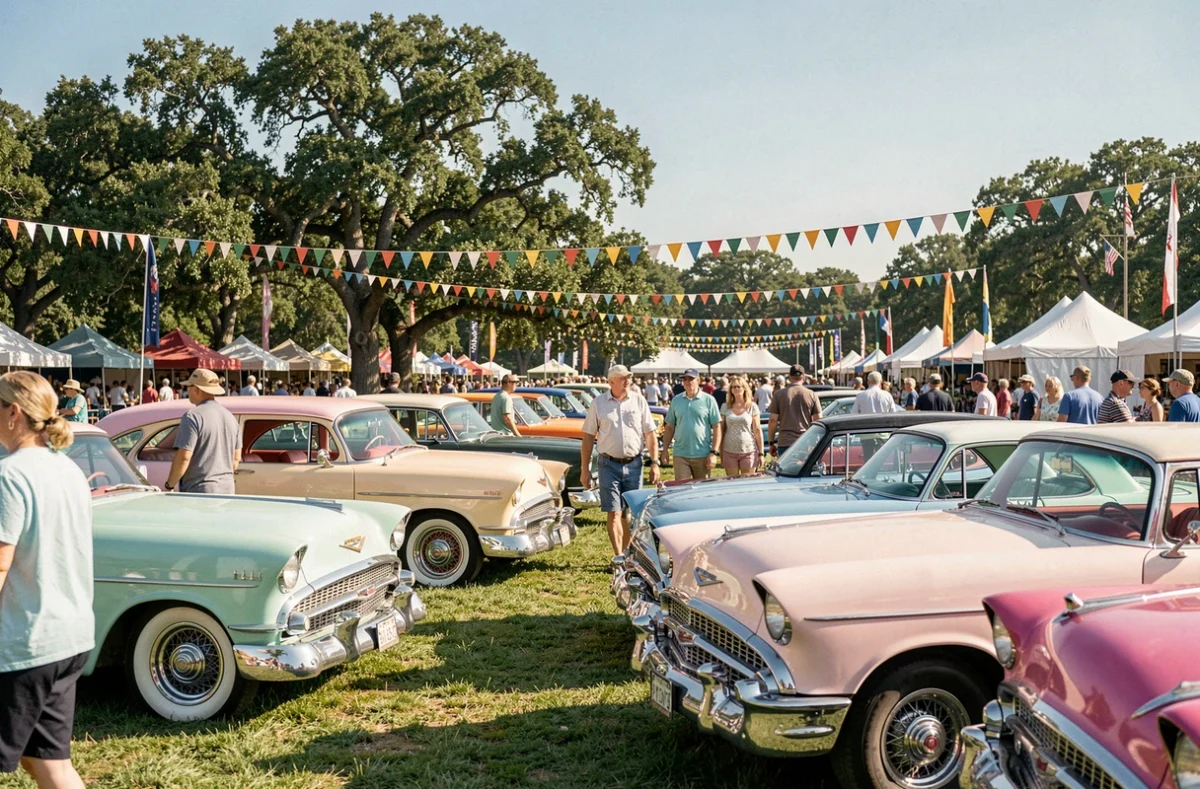
Restoration is no longer limited to an aesthetic choice between preservation and customization. Since collection status conditions concrete advantages (lighter technical control, ZFE exemption), each mechanical intervention also engages the vehicle’s administrative eligibility.
Original parts vs. adaptable parts
Replacing a carburetor with a modern injection system, or converting an internal combustion engine, can result in the loss of classification benefits. The restoration workshop must document each intervention to prove compliance with original characteristics.
We observe a growing tension between enthusiasts who wish to make their vehicle reliable for regular use and the heritage logic of classification. Here are the points of vigilance to examine before undertaking work:
- Check with the FFVE if the proposed modification jeopardizes collection status, particularly for engine block exchanges or gearbox conversions.
- Always keep the original parts removed: in case of resale or inspection, they attest to the reversibility of modifications.
- Prefer specialized workshops capable of providing a detailed technical sheet for each intervention, with references to the parts used.
Bodywork and paint: the trap of “too new”
A complete body restoration with contemporary paint (water-based, ceramic varnish) can yield a finish that strays from the period appearance. From a regulatory standpoint, any color change must be declared. In terms of valuation, a vehicle restored in its original catalog color retains its value better than a model repainted in a fancy color, even if technically flawless.
Low emission zones and classic vehicles: exemptions and limits
ZFE restrictions are the most misunderstood topic in the world of classic cars. A vehicle classified as Crit’Air 3 or in an older category may be prohibited from accessing certain metropolitan areas. The exemption for classic vehicles exists, but it is neither uniform nor guaranteed.
ZFE rules vary from one urban area to another. A classic car allowed to circulate in one city may be denied access in the neighboring metropolis. Since the tightening that occurred in 2025, each community sets its own thresholds and exemption procedures.
To benefit from the exemption, the vehicle must explicitly bear the mention “collection” on its registration certificate. A model over thirty years old with standard registration does not receive any special treatment: it is subject to the same restrictions as a recent vehicle of the same Crit’Air category.
Retro events in France: choosing the right events
The calendar of automotive gatherings in France has significantly expanded. Between parts exchange fairs, tourist rallies, auctions, and elegance contests, the risk of dispersion is real. We recommend targeting events based on a specific objective.
- To source rare spare parts, regional fairs organized by brand clubs remain the most effective. Direct contact with specialized members allows for verification of parts authenticity.
- To assess the value of a model before buying or selling, specialized auctions (such as those held in Chaumont or during dedicated shows) provide real market prices, not estimates.
- For the pleasure of driving among enthusiasts, tourist rallies organized by regional clubs offer a structured environment with mechanical assistance, limiting the risk of isolated breakdowns on the route.
Enthusiast groups and local clubs play a filtering role. An active club with experienced members directs towards serious events and avoids purely commercial gatherings that are multiplying.
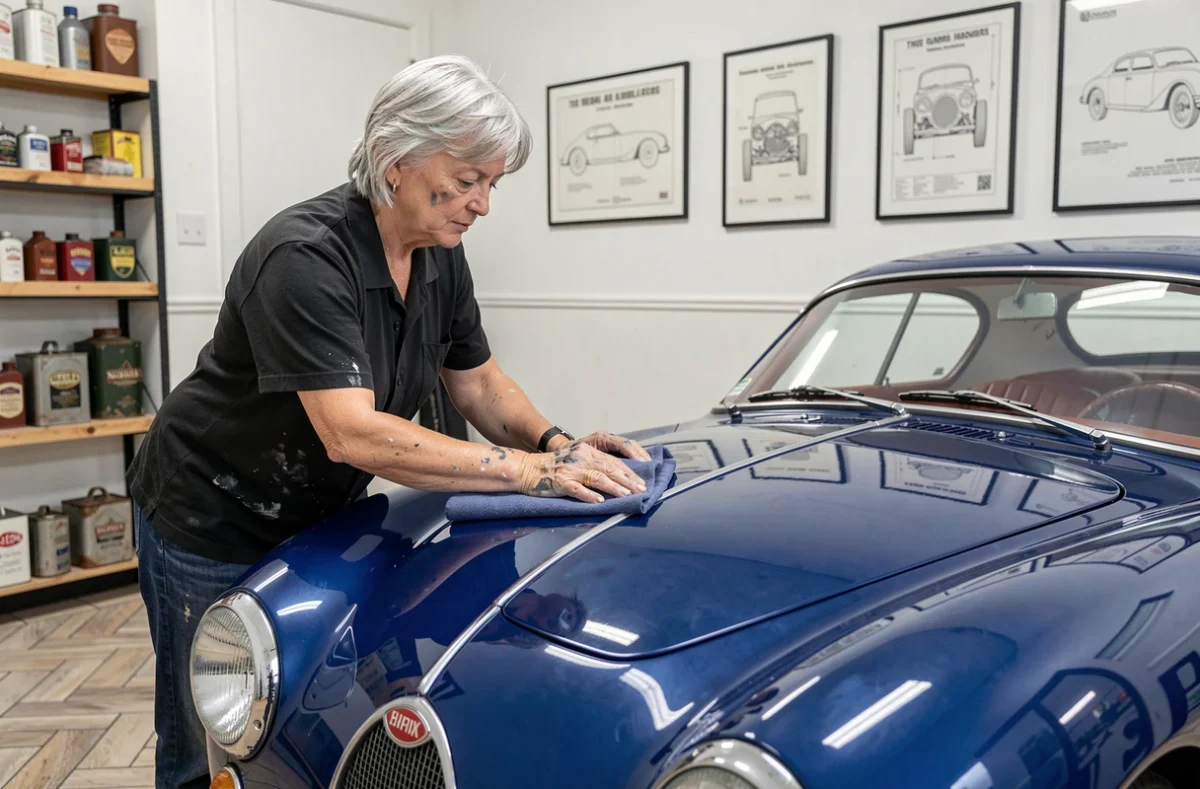
The French automotive heritage relies on a balance between driving pleasure, technical rigor, and regulatory compliance. Every restoration decision now has both administrative and aesthetic implications. Checking the vehicle’s status, documenting interventions, and anticipating circulation restrictions: these reflexes separate a viable collection from a garage of immobilized parts.