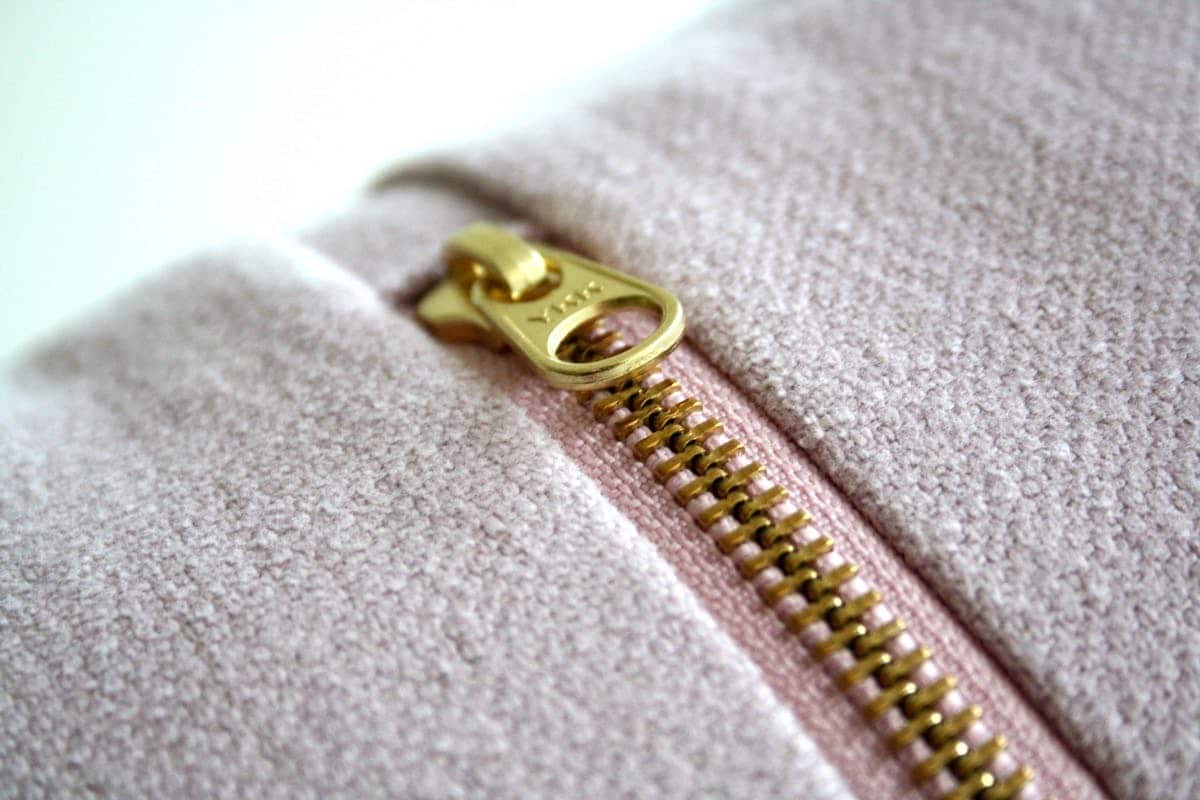
It’s a situation many are familiar with: a zipper that refuses to function properly can cause significant inconvenience. In the midst of a busy day, your backpack, jacket, or even your favorite jeans can suddenly betray you. Don’t panic, there are effective solutions to remedy this common problem. In the following lines, discover the foolproof tips for fixing a zipper that separates in the middle, without having to resort to a professional. These tips will help you extend the lifespan of your favorite items and potentially save you from public embarrassment.
The origins of zipper failure: investigating the causes
In the specific case of a zipper that opens, the recommended approach for repair is slightly different. The first step is to precisely identify the problem.
A typical malfunction of this type can be caused by a misaligned slider or damaged teeth. You should start by carefully inspecting your zipper to determine the exact nature of the problem.
If you find that the teeth are bent or broken, you will need to straighten them with a small pliers. However, be careful when handling these elements, as they are usually made of metal and can easily break if too much force is applied.
If it is the slider that seems to be malfunctioning, try tightening its two parts with pliers. Indeed, if it is not tight enough on the bands (the two side rows), it can lead to a situation where the zipper keeps opening.
Sometimes, depending on the extent of the problem, especially in situations where several teeth seem to be missing or completely damaged, it may be necessary to completely replace the zipper to give new life to your favorite garment.
Faced with a zipper that systematically opens after being carefully closed, risking ruining your favorite outfits and important moments; with pliers and a needle matched with thread usable on all fabrics in vibrant colors • you are now equipped with foolproof solutions! Armed with knowledge, you should never fear this modern disintegration so dreaded: that of a simple capricious pull tab.
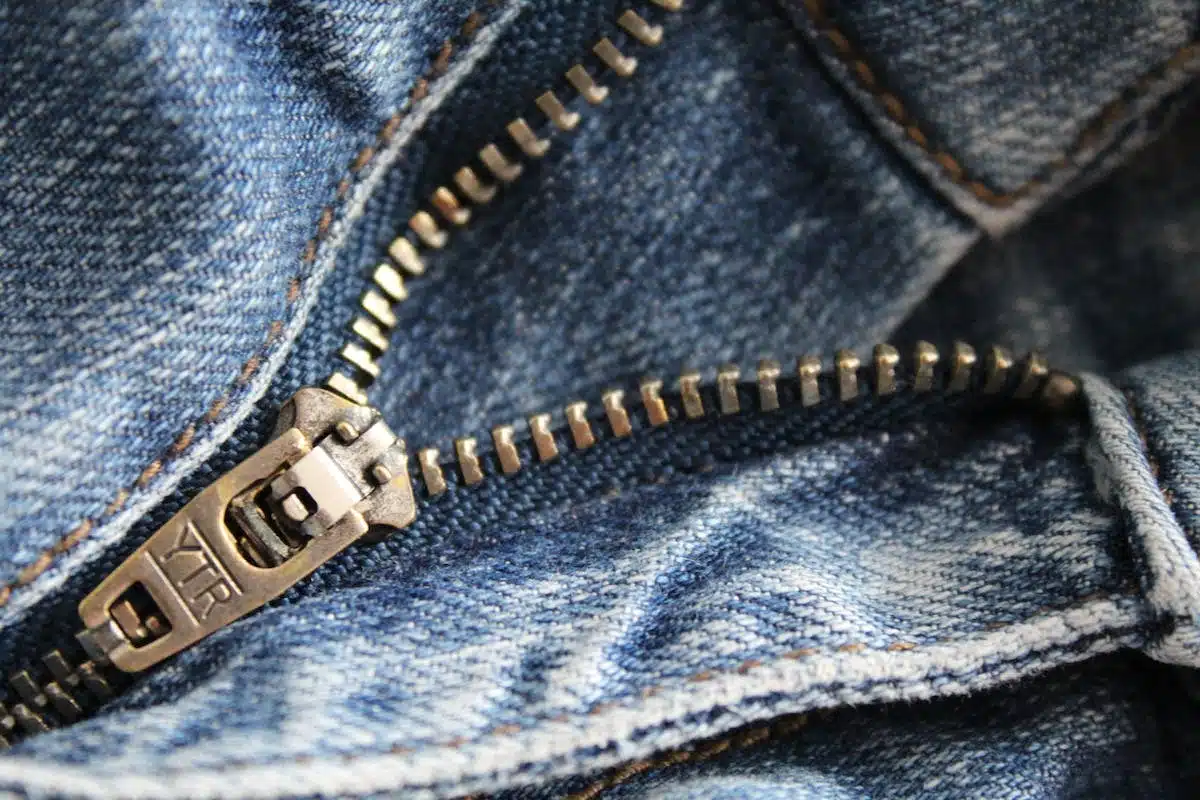
Fixing a zipper that separates in the middle: foolproof tips
When faced with a zipper that separates in the middle, there are a few simple yet effective tips to remedy this common problem. When a zipper regularly separates, be sure to check if the slider is worn or damaged. If so, you may consider replacing the slider with a new one. Generally, it just involves removing the old slider using pliers and installing the new one, ensuring it is properly engaged on the two side rows of the fabric.
Another tip is to lubricate the zipper with a graphite pencil or a lubricant specifically designed for zippers. This will allow the teeth to slide more easily and thus reduce the risk of blockage or unexpected separation.
If despite all these precautions your zipper continues to separate in the middle, you can try reinforcing its hold with thick thread or even additional stitches between the teeth to create extra tension. This method often helps prevent the zipper from opening unexpectedly.
In some extreme cases where traditional repair does not work, it may be necessary to resort to alternative solutions such as using Velcro to firmly hold both sides together.
When your zipper separates in the middle, remember not to panic and to try different tips to solve the problem. Whether it’s replacing the slider, lubricating the zipper, or reinforcing its hold with thick thread, there is always a suitable solution. Don’t hesitate to experiment until you find the method that works best in your particular case.
Essential tools for repairing your faulty zipper
To carry out the repair of a zipper that separates in the middle, make sure you have the appropriate tools. Here is a list of the necessary items to successfully complete this task:
A zipper repair kit: This is a set that includes several spare parts such as sliders, pull tabs, and stops. This kit will allow you to easily replace the defective parts of your zipper.
Pliers: This tool will be useful for removing the worn or damaged slider. Be sure to use pliers suitable for this purpose to avoid any breakage or deformation of the material.
Thick thread: If you decide to reinforce the hold of your zipper by sewing between the teeth, make sure to use a strong and thick thread capable of withstanding the tension exerted on the zipper.
A knife: In some extreme cases where no other means seems to work, it may be necessary to completely cut out the problematic part and consider using an alternative solution like Velcro or even a new stitch.
Chalk or a water-soluble pen: These tools will be handy for precisely marking the points where you want to make your new stitches so that they are uniform and effective.
A specific lubricant: If you choose to lubricate your zipper, make sure to use a suitable product so as not to damage the surrounding fabric.
Of course, the necessity of having a particular tool will depend on the method chosen to repair your zipper. Some problems can be resolved simply by replacing the slider, while others will require more work and the use of several tools.
Avoiding a new zipper failure: precautions to take
Now that you have successfully repaired your zipper, you need to take certain precautions to avoid a new failure in the future. Here are some tips that will help you extend the lifespan of your zipper:
Avoid jerky movements: One of the main causes of a faulty zipper is rough and hasty use. Therefore, be sure to handle the pull tab gently and smoothly, without forcing the slider.
Regularly clean: Residues of dirt, dust, or even food can accumulate in the crevices of the zipper and hinder its proper functioning. Make it a habit to regularly clean your clothing or accessories equipped with a zipper using a soft brush or a damp cloth.
Lubricate occasionally: Adequate lubrication will allow the metal or plastic teeth to slide better against each other. Use a specific lubricant for zippers and apply it gently along the teeth with a small brush or directly on the slider.
Never force: If the zipper encounters resistance during movement, do not try to hasten its passage by forcing it. This could rather worsen the problem and cause irreversible damage.
Check the seams: Sometimes, poor stitching can cause excessive tension on the zipper and lead to its malfunction. Ensure that the seams surrounding the zipper are strong and well-made.