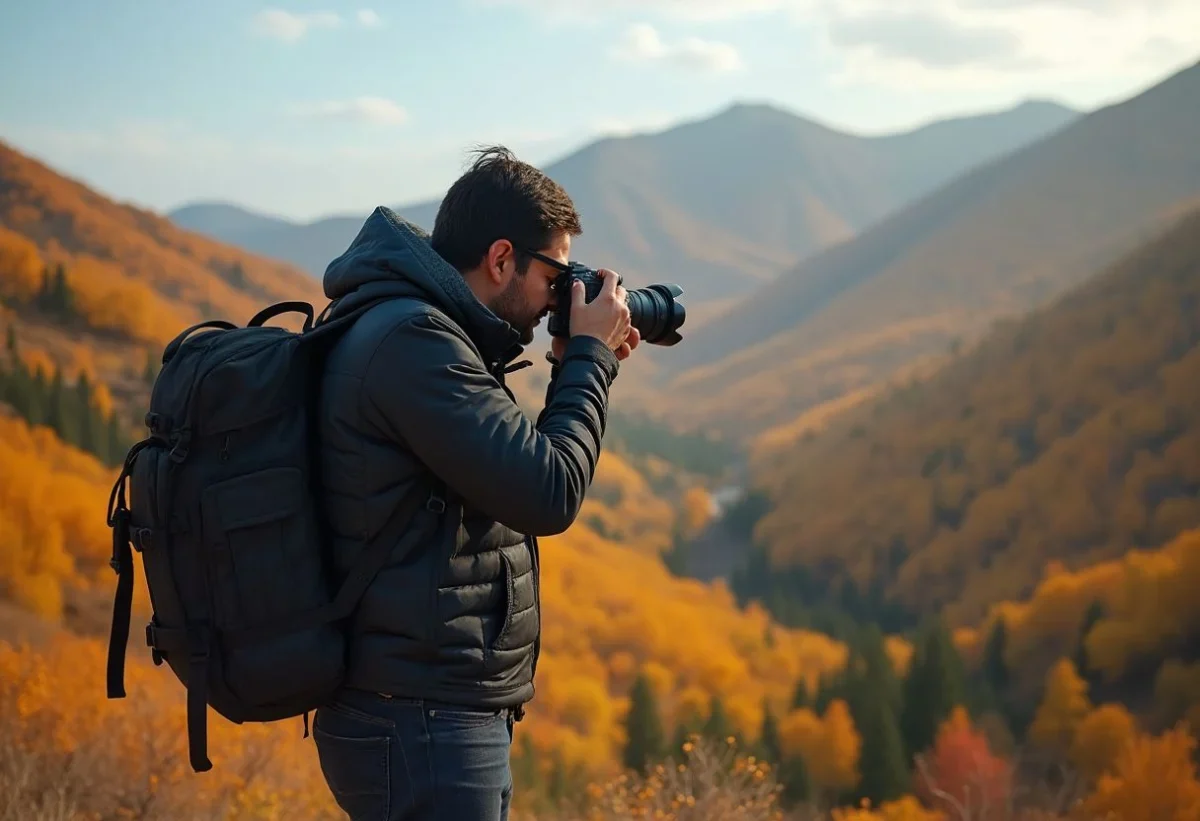
Photography is much more than just a click of a button. It captures moments, tells stories, and expresses emotions. With the advent of smartphones and social media, photography has become ubiquitous. However, for those who wish to turn this passion into a career, structured training is often necessary. A photography school can offer not only technical skills but also a deep understanding of the art and the industry. This educational journey promises to transform a passionate amateur into a skilled professional, capable of creating works that inspire and move.
Choosing the right school for your training
The crucial step in your photographic journey is selecting the right institution that aligns with your aspirations and future goals. Several criteria should be considered to make an informed choice.
- Reputation and accreditation: A well-established school with a strong reputation often guarantees quality teaching. Check if it is accredited by the relevant bodies.
- Program and specializations: Explore the offered program to see if it includes specializations that interest you, whether in fashion, documentary, or artistic photography.
- Equipment and facilities: Access to modern equipment and well-equipped labs is essential for practical and immersive training.
- Faculty: Experienced and recognized instructors can enrich your learning through their experience and professional networks.
The importance of structured training in photography
Training in a specialized photography institution offers numerous advantages that go far beyond self-taught learning. The structure of a formal program can accelerate your development as a photographer.
Students often benefit from immersion in the history and theory of photography, allowing them to contextualize their work within an artistic tradition. Learning advanced techniques under the watchful eye of qualified professionals also provides valuable feedback.
Moreover, the networking opportunities offered by a photography school are invaluable and can open doors to internships and future jobs.
The different pedagogical approaches
Photography schools adopt various pedagogical approaches to cater to the diverse needs of students. Here’s an overview of some common teaching methods.
- Hands-on learning: Practical workshops allow students to acquire essential technical skills by taking photos in various environments.
- Collaborative projects: Working in groups on projects provides valuable experience in project management and communication.
- Portfolio critiques: Regular portfolio reviews by instructors and peers encourage continuous improvement and the reception of constructive feedback.
- Professional visits: Lectures and workshops led by renowned photographers bring unique perspectives and industry insights.
Career opportunities after photography training
Once your training is complete, a multitude of career paths open up to you. Whether you choose to become a freelance photographer or work within a company, the skills acquired during your studies are transferable and sought after.
Graduates can pursue various careers such as commercial photography, photojournalism, wedding photography, or even fine art photography. The versatility of the training received at a specialized school also allows for exploration of roles outside traditional photography fields, such as digital editing, visual marketing, or content management.
The key is to know how to leverage your skills and remain adaptable in a constantly evolving industry.