Meditation, once considered a practice reserved for monks and ascetics, has now captured the general public, becoming a popular method for managing stress and improving overall well-being. Yet, despite its growing adoption, many feel intimidated at the thought of starting. They often question the right way to meditate, the posture to adopt, or the ideal duration of each session. It is important to keep it simple and accessible, allowing them to gently introduce themselves to meditation, understand its fundamental principles, and discover how to integrate this calming practice into their daily routine.
The benefits of meditation for the mind and body
Meditation, far from being a mere passing trend, is rooted in a millennia-old tradition offering a myriad of benefits for both the mind and body. An ancient practice, it is becoming democratized and accessible to all. Indeed, mental health significantly improves among regular practitioners, reflecting a notable reduction in stress and anxiety. These two modern scourges, often sources of somatic illnesses, see their grip weaken with each meditation session.
Studies on the subject, conducted by research centers such as Dekortikon, highlight the positive impact of meditation on concentration and attention. Meditation for the body and mind is not limited to a quest for ephemeral relaxation; it establishes lasting harmony, an inner peace that facilitates greater presence in the world and with others. This presence, this heightened awareness, is the foundation upon which other benefits are built, directly influencing quality of life and daily perception.
As for sleep disorders, such as insomnia, they seem to be alleviated by the practice of meditation. The aid in sleeping better should not be underestimated, as restorative sleep is essential for the proper functioning of the body and mind. It is a gateway to a deeper balance, towards a strengthened resilience in the face of life’s vicissitudes.
Meditation for the body and mind translates into better emotional management, increased empathy towards oneself and others, as well as a greater ability to face challenges with more serenity. Meditating for oneself is also meditating for the world: a practice that, by cultivating inner peace, has the potential to irrigate human relationships with more authentic kindness.
Practical guide to starting meditation
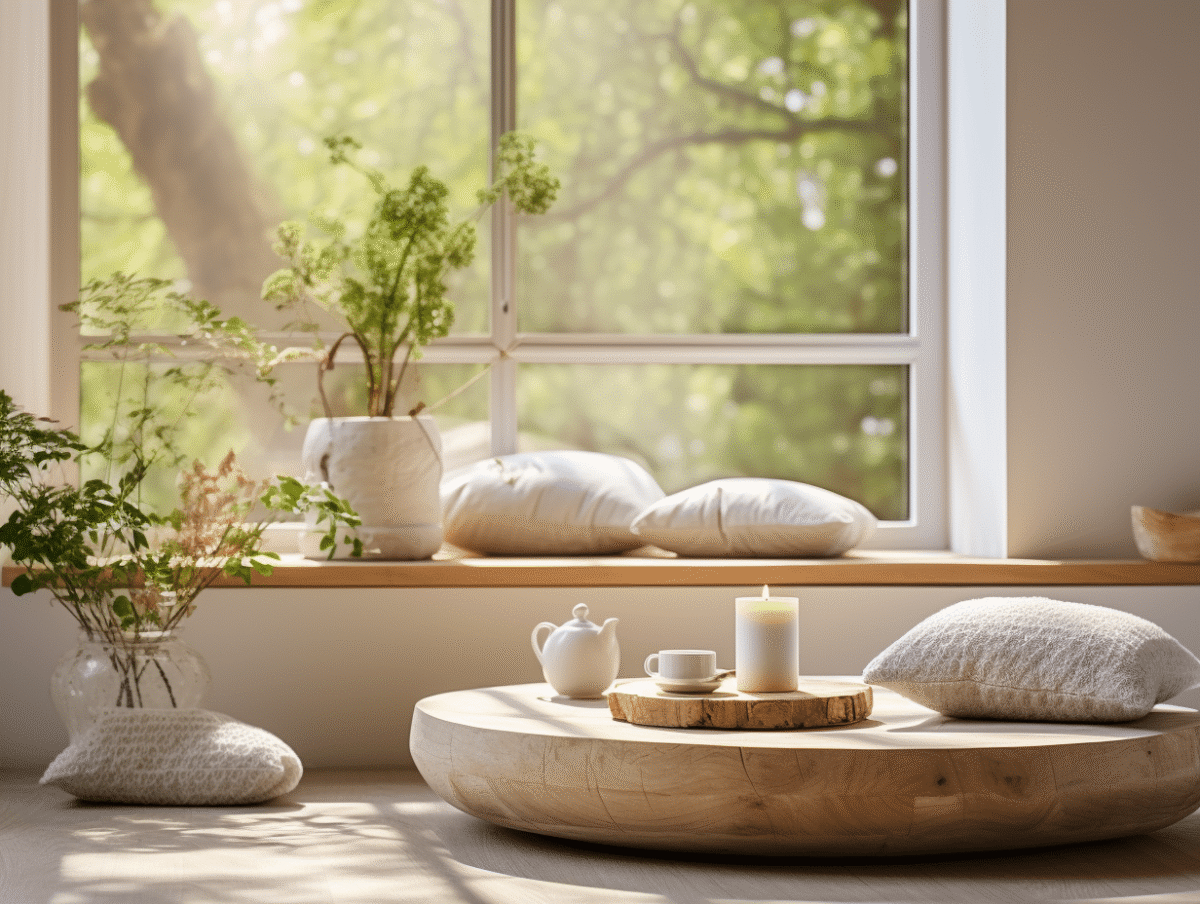
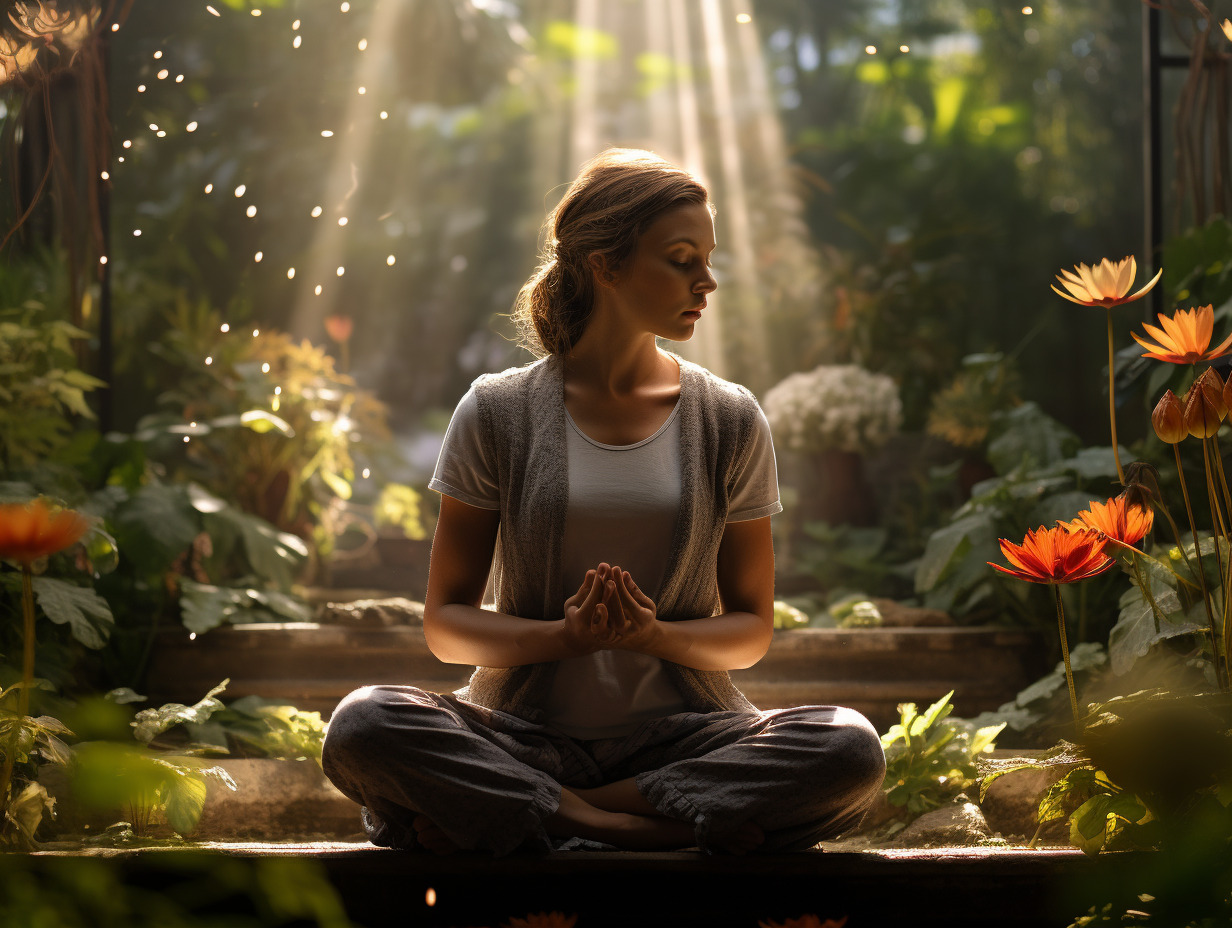
For those aspiring to integrate meditation into their daily lives, the first step is to create a dedicated space and time for this practice. Start with short sessions, lasting five to ten minutes, to gradually get accustomed. Meditation requires no specific equipment and can be practiced anywhere: at home, in a park, or even at the office during a break. The key is to find a place where you feel comfortable and safe to focus fully.
Various meditation techniques are available for beginners, such as mindfulness meditation, spiritual or mantra meditation, visualization meditation, movement meditation, loving-kindness meditation, or body scan meditation. Each method has its particularities and can be adapted according to your personal preferences and goals. Explore them to discover which resonates most with you.
For novices, guided meditation is a valuable option. It is taught by meditation instructors, whether in person or online, and is also accessible through meditation apps like Headspace or Calm. These tools provide vocal guidance to help you focus and maintain your attention during meditation. Integrate this practice into your daily routine to fully benefit from its positive effects on your well-being.